First Off I'd like to thank everyone for visiting The Official UprawEntertainment/Bring The Ruckus website.
****************************************************************************************************************
PIC OF THE WEEK
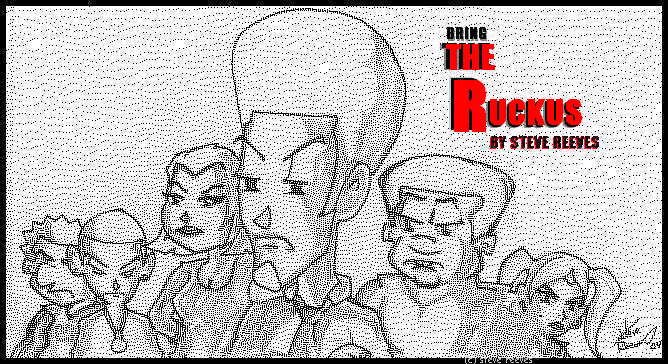
BRING THE RUCKUS: MOBB DEEP BY STEVE REEVES
FEATURES THE WHOLE BRING THE RUCKUS FAMILY: FROM LEFT TO RIGHT YOU GOT
ELBOW JONES, DaKID, MARIBEL, DR. FLIP RUCKUS, UNCLE DJ, & EMMA RUCKUS
TO SEE MORE BRING THE RUCKUS ART WORK CLICK HERE.
NEWS OF THE WEEK
IN THIS WEEKS N.O.W. OR SHOULD THAT BE N.O.T.W. ANYWAY....ARNOLD SCHWARZENEGGER FINALLY RELEASES HIS FIRST OFFICIAL STATEMENT IN REGARDS TO HIS MOST RECENT SCANDAL OF HIM FATHERING A LOVE CHILD THAT HE WILLINGLY CREATED WITH THE MAID ( WITH HIS UNKNOWING WIFE RIGHT IN THE DAMN HOUSE. C'MON MAN THATS MESSED UP !! ) IN THIS REPORT BY UPRAW NEWS OWN : CHAN DELIERE
THOUGH WE PREFER TO MAKE FUN OF SPORTS CELEBRITY..BUT WE DECIDED TO TAKE A DIFFERENT ROUTE..BASED ON ALL THE MEDIA HOOP LAH GOING ON ABOUT FAMOUS ICONS DYING TOO YOUNG DUE TO PRESCRIBED MEDS (RIP WHITNEY)...AND TAKE A SHOT AT THIS KILLER OF ICONIC KINGS OF POP TYPE OF MUSICIANS WITH DRUG PROBLEMS. LADIES AND GENTLE MEN ALLOW ME TO INTRODUCE THIS WEEKS PRICK OF THE WEEK
CONRAD MURRAY

CLICK HERE TO SEE THE UNEDITED FULL VERSION
SPORT REPORTZ
Peyton…Sexy??
By FiGlospher

PEYTON MANNING WAVES GOOD BYE TO INDIANAPOLIS
As the upcoming NFL season begins, top sports reporter JAY HEINZ takes us back to the biggest off season football signing in years in this exclusive NPSE interview with Peyton Manning.
click here to continue reading
COMIX OF THE WEEK

QUESTION OF THE WEEK
GOT A QUESTION FOR DOCTOR RUCKUS
E-MAIL US A VIDEO WITH A MINIMUM OF 3 BRIEF QUESTIONS
OR SEND US A QUESTION TO BRINGDARUCK@YMAIL.COM
BTR ALLStarZ BTR Comix BTR VideoZ BTR Characters BTR Art Gallery
BTR Promotionz Team BTR
According to Stephen Cary, a second language learner specialist and author of Going Graphic: Comics at Work in the Multilingual Classroom, "Comics provide authentic language learning opportunities for all students.The dramatically reduced text of many comics make them manageable and language profitable for even beginning level readers."Comics, Cary notes, with their emphasis on engaging content and an expanded use of visual material, are an especially effective medium in the context of brain-based teaching, which emphasizes hands-on, manipulative-based activities. "The brain has little time for nonsense. It's a meaning-maker, constantly searching for patterns, connecting bits of new information to old, fashioning wholes from parts and parts from wholes. It's also shamelessly self-centered. The brain makes sense of the world in terms of personal learner needs. Relevant curriculum attracts and engages it.For a number of reasons -- the humor, heroes, movement, pop culture themes, real-world language, novelty, and perhaps, above all, artwork -- comics consistently engage students."
When teachers use comics, Cary says, students attend to the activities and learning accelerates.
Clearly, comics are an effective tool for engaging students. Having gotten their attention, however, what do you do with it? What can students possibly learn from comics? A lot, according to Read Write Think, a partnership among the International Reading Association (IRA), the National Council of Teachers of English (NCTE), and the MarcoPolo Education Foundation, which offers 18 lessons that use comics to teach such skills and concepts as narrative structure, genre, popular culture, homophones, characterization, even math and poetry, to students in kindergarten through high school.
The New York City Comic Book Museum offers a complete English curriculum built around comics. Created by Dan Tandarich, a 5th grade teacher in Brooklyn, New York, "C.O.M.I.C.S. Challenging Objective Minds: An Instructional Comicbook Series" focuses on using comics to teach reading and writing to students in grades 5-10.
Additional lessons, on sequencing, storytelling, cultural comparison, cartooning, poetry, literature, and writing can be found at the National Association of Comics Art.
GRAPHIC NOVELS
Nancy Frey and Douglas Fisher, California high school teachers and the authors of Using Graphic Novels, Anime, and the Internet in an Urban High School, say graphic novels -- short novels done in the medium of comics -- also can be an effective means of teaching struggling adolescent readers.
"We like to use graphic novels to teach comprehension skills, especially inferencing," Frey told Education World. "Struggling readers have often been told for years that inferencing is about "reading between the lines" -- an explanation that often creates more confusion for the reader. After all, if you're having trouble reading what's on the line, when do you ever get to "read between?"
"So, we use panels from graphic novels in shared reading (usually projected on an overhead) to engage them in a discussion of the nuances of visual language to represent ideas. We invite them to tell the story and ask them lots of questions about how they know. You'd be surprised at the answers -- they can immediately identify the devices used by the artist to represent these concepts. It's a short journey to replacing visual images with words. In our minds, it makes sense to initially move them as far away from text as possible so they can concentrate on what they already know. Their recognition of the similarity between how artists and writers use language to communicate the ideas becomes a bridge for teaching new information about reading comprehension. As you can imagine, this translates to writing as well.

PRICK OF THE WEEK
THOUGH WE PREFER TO MAKE FUN OF SPORTS CELEBRITY..BUT WE DECIDED TO TAKE A DIFFERENT ROUTE..BASED ON ALL THE MEDIA HOOP LAH GOING ON ABOUT FAMOUS ICONS DYING TOO YOUNG DUE TO PRESCRIBED MEDS (RIP WHITNEY)...AND TAKE A SHOT AT THIS KILLER OF ICONIC KINGS OF POP TYPE OF MUSICIANS WITH DRUG PROBLEMS. LADIES AND GENTLE MEN ALLOW ME TO INTRODUCE THIS WEEKS PRICK OF THE WEEK
CONRAD MURRAY
CLICK HERE TO SEE THE UNEDITED FULL VERSION
SPORT REPORTZ
Peyton…Sexy??
By FiGlospher
PEYTON MANNING WAVES GOOD BYE TO INDIANAPOLIS
As the upcoming NFL season begins, top sports reporter JAY HEINZ takes us back to the biggest off season football signing in years in this exclusive NPSE interview with Peyton Manning.
click here to continue reading
COMIX OF THE WEEK
QUESTION OF THE WEEK
GOT A QUESTION FOR DOCTOR RUCKUS
E-MAIL US A VIDEO WITH A MINIMUM OF 3 BRIEF QUESTIONS
OR SEND US A QUESTION TO BRINGDARUCK@YMAIL.COM
BTR ALLStarZ BTR Comix BTR VideoZ BTR Characters BTR Art Gallery
BTR Promotionz Team BTR
According to Stephen Cary, a second language learner specialist and author of Going Graphic: Comics at Work in the Multilingual Classroom, "Comics provide authentic language learning opportunities for all students.The dramatically reduced text of many comics make them manageable and language profitable for even beginning level readers."Comics, Cary notes, with their emphasis on engaging content and an expanded use of visual material, are an especially effective medium in the context of brain-based teaching, which emphasizes hands-on, manipulative-based activities. "The brain has little time for nonsense. It's a meaning-maker, constantly searching for patterns, connecting bits of new information to old, fashioning wholes from parts and parts from wholes. It's also shamelessly self-centered. The brain makes sense of the world in terms of personal learner needs. Relevant curriculum attracts and engages it.For a number of reasons -- the humor, heroes, movement, pop culture themes, real-world language, novelty, and perhaps, above all, artwork -- comics consistently engage students."
When teachers use comics, Cary says, students attend to the activities and learning accelerates.
Clearly, comics are an effective tool for engaging students. Having gotten their attention, however, what do you do with it? What can students possibly learn from comics? A lot, according to Read Write Think, a partnership among the International Reading Association (IRA), the National Council of Teachers of English (NCTE), and the MarcoPolo Education Foundation, which offers 18 lessons that use comics to teach such skills and concepts as narrative structure, genre, popular culture, homophones, characterization, even math and poetry, to students in kindergarten through high school.
The New York City Comic Book Museum offers a complete English curriculum built around comics. Created by Dan Tandarich, a 5th grade teacher in Brooklyn, New York, "C.O.M.I.C.S. Challenging Objective Minds: An Instructional Comicbook Series" focuses on using comics to teach reading and writing to students in grades 5-10.
Additional lessons, on sequencing, storytelling, cultural comparison, cartooning, poetry, literature, and writing can be found at the National Association of Comics Art.
GRAPHIC NOVELSNancy Frey and Douglas Fisher, California high school teachers and the authors of Using Graphic Novels, Anime, and the Internet in an Urban High School, say graphic novels -- short novels done in the medium of comics -- also can be an effective means of teaching struggling adolescent readers.
"We like to use graphic novels to teach comprehension skills, especially inferencing," Frey told Education World. "Struggling readers have often been told for years that inferencing is about "reading between the lines" -- an explanation that often creates more confusion for the reader. After all, if you're having trouble reading what's on the line, when do you ever get to "read between?"
"So, we use panels from graphic novels in shared reading (usually projected on an overhead) to engage them in a discussion of the nuances of visual language to represent ideas. We invite them to tell the story and ask them lots of questions about how they know. You'd be surprised at the answers -- they can immediately identify the devices used by the artist to represent these concepts. It's a short journey to replacing visual images with words. In our minds, it makes sense to initially move them as far away from text as possible so they can concentrate on what they already know. Their recognition of the similarity between how artists and writers use language to communicate the ideas becomes a bridge for teaching new information about reading comprehension. As you can imagine, this translates to writing as well.